Have you ever opened a text message and noticed someone writing IMO, leaving you wondering what it means? You’re definitely not alone. Every day, people use short forms and internet slang to make conversations quicker and easier. Understanding these abbreviations can help you reply with confidence and avoid misunderstandings.
The IMO meaning in text is one of the most common internet abbreviations used in texting, social media, emails, gaming, and online discussions. Whether you’re chatting with friends, scrolling through comments, or joining an online forum, you’ll likely come across this simple acronym.
In this guide, you’ll discover what IMO means, where it came from, when to use it, when not to use it, and plenty of real-life examples. By the end of this article, you’ll feel comfortable using IMO naturally in your own conversations.
What Does IMO Mean in Text? 🤔
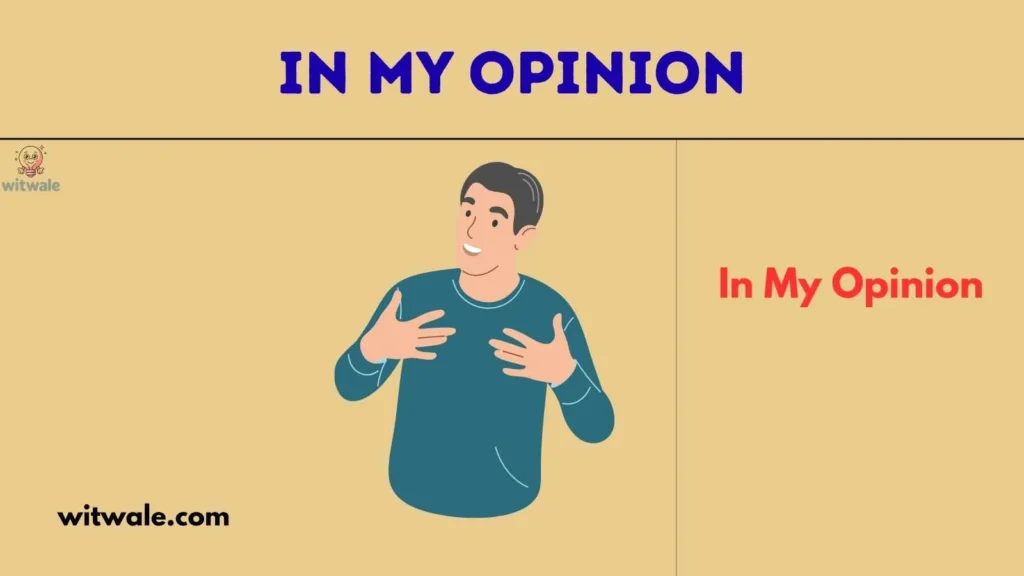
IMO stands for:
In My Opinion
People use it before sharing a personal thought, belief, or suggestion. It lets others know that the statement is based on personal experience rather than being an absolute fact.
Quick Definition Table
| Abbreviation | Meaning | Usage |
|---|---|---|
| IMO | In My Opinion | Sharing a personal opinion |
| IMHO | In My Humble Opinion | Giving an opinion politely |
| TBH | To Be Honest | Expressing honesty |
| FYI | For Your Information | Sharing useful information |
Example Conversations
Friend: Which movie should I watch tonight?
You: IMO, the new comedy is much better than the action film.
Friend: Which phone has the best camera?
You: IMO, the latest model takes the best photos.
Friend: Should I buy this laptop?
You: IMO, it’s worth the money because it has excellent performance.
Each example shows that IMO simply introduces a personal opinion instead of a proven fact.
Why Do People Use IMO in Text Messages? 📱
Modern conversations move fast. Instead of typing “In my opinion,” people shorten it to IMO.
There are several reasons why this abbreviation has become popular.
It Saves Time ⏰
Typing three letters is much faster than writing the full phrase.
Instead of writing:
In my opinion, this game is amazing.
People simply write:
IMO, this game is amazing.
It Sounds Friendly 😊
Using IMO makes opinions sound less forceful.
Compare these two sentences:
❌ This restaurant is terrible.
✅ IMO, this restaurant isn’t worth the price.
The second version sounds more respectful because it reminds readers that it’s only one person’s viewpoint.
It Encourages Healthy Discussions 💬
Online conversations often involve different opinions.
Using IMO signals that you’re open to hearing what others think instead of claiming you’re always right.
It Fits Every Platform
You’ll find IMO almost everywhere:
- 📱 Text messages
- 💻 Online forums
- 📘 Facebook posts
- 📸 Instagram comments
- 🎵 TikTok captions
- 🐦 X posts
- 🎮 Gaming chats
- 💼 Workplace messaging apps
Its versatility makes it one of the most recognizable internet abbreviations.
The Origin of IMO 📜
Many people think internet slang appeared recently, but IMO has been around for decades.
Before smartphones existed, internet users communicated through:
- Bulletin Board Systems (BBS)
- IRC chat rooms
- Early online communities
- Email discussion groups
Typing was slower, internet speeds were limited, and character counts mattered.
As a result, users began shortening common phrases.
Some popular abbreviations included:
- LOL
- BRB
- BTW
- FYI
- IMO
Over time, these abbreviations became part of internet culture.
Today, millions of people still use IMO because it’s quick, simple, and universally understood.
How to Use IMO Correctly 💡
Using IMO is easy once you understand its purpose.
The abbreviation should introduce an opinion rather than a fact.
Correct Examples
IMO, summer is the best season.
IMO, this coffee tastes better without sugar.
✅ IMO, learning a second language is rewarding.
✅ IMO, that restaurant serves excellent pizza.
Incorrect Examples
❌ IMO, water freezes at 0°C.
This is a scientific fact, not an opinion.
❌ IMO, Paris is the capital of France.
Again, this is factual information.
Simple Rule to Remember
Ask yourself:
“Is this my opinion or a proven fact?”
If it’s your opinion, IMO works perfectly.
If it’s a fact, leave IMO out.
Real-Life Examples of IMO in Different Situations 🌍
Understanding context makes internet slang much easier to remember.
Here are several everyday situations where people naturally use IMO.
Friends Chatting
Friend:
Should we order pizza?
You:
IMO, burgers sound better tonight.
Family Conversation
Sibling:
Which TV show should we watch?
You:
IMO, the comedy series is much funnier.
Gaming
Player 1:
Which weapon should I upgrade?
Player 2:
IMO, upgrade your shield first.
School Discussion
Student:
Which subject is the hardest?
Friend:
IMO, chemistry requires the most practice.
Movie Reviews
Reviewer:
IMO, this is one of the year’s funniest films.
Sports Discussion
Fan:
IMO, the team’s defense was stronger than its offense.
Technology
Friend:
Which smartwatch should I buy?
You:
IMO, the newer version offers better battery life.
Travel
Traveler:
Which city should I visit first?
Friend:
IMO, Kyoto has the most memorable cultural experiences.
When Should You Avoid Using IMO? 🚫
Although IMO is useful, it doesn’t fit every situation.
Knowing when not to use it is just as important.
Professional Documents
Business reports require facts.
Instead of writing:
IMO, sales increased because customers liked the product.
Write:
Sales increased according to customer feedback and market analysis.
Academic Writing
Research papers depend on evidence.
Avoid using personal opinions unless specifically requested.
Legal Documents
Legal writing should remain objective and precise.
Scientific Reports
Scientific conclusions rely on verified data rather than personal beliefs.
Emergency Situations
If someone needs accurate information, avoid replacing facts with opinions.
For example:
❌ IMO, you don’t need medical help.
Instead, encourage professional advice when health or safety is involved.
IMO vs IMHO: What’s the Difference? 🤝
Many people confuse IMO and IMHO, but the difference is simple.
| Acronym | Meaning | Tone |
|---|---|---|
| IMO | In My Opinion | Neutral |
| IMHO | In My Humble Opinion | More polite and humble |
Example
IMO, this laptop performs better.
IMHO, this laptop performs better for everyday users.
Both phrases express opinions, but IMHO often sounds softer and slightly more respectful.
Common Mistakes People Make with IMO ❌
Even though IMO is simple, beginners sometimes misuse it.
Here are the most common mistakes to avoid.
Using IMO Before Facts
Incorrect:
IMO, the Earth revolves around the Sun.
Correct:
The Earth revolves around the Sun.
Thinking IMO Means “I Know”
Some beginners mistakenly assume IMO stands for “I Know.”
It doesn’t.
The accepted meaning is In My Opinion.
Overusing IMO
Writing IMO before every sentence can make your messages repetitive.
Instead of:
- IMO this movie is great.
2. IMO the acting is amazing.
3. IMO the music is incredible.
Try:
IMO, this movie is great. The acting and music are outstanding too.
Forgetting the Context
Remember that IMO works best in casual conversations where opinions are expected.
IMO on Social Media 📱
Social media is one of the most common places where you’ll see IMO. People use it to share opinions without sounding too forceful. Whether someone is reviewing a movie, discussing fashion trends, or talking about sports, IMO helps make it clear that the statement reflects a personal viewpoint.
Here are a few examples:
- IMO, this is the best phone released this year.
- IMO, homemade coffee tastes better than café coffee.
- IMO, this travel destination is underrated.
- IMO, this recipe is easier than it looks.
- IMO, the new update improved the app.
Using IMO also encourages healthy conversations because it reminds readers that different opinions are welcome.
Why It’s Popular on Social Media
People prefer IMO because it:
- 💬 Starts respectful discussions
- ⚡ Saves typing time
- 😊 Sounds friendly instead of argumentative
- 🌍 Is understood worldwide
- 📲 Works across almost every social platform
Using IMO in Online Gaming 🎮
Gamers constantly exchange tips, strategies, and recommendations. Since every player has different experiences, IMO is a perfect way to share advice without claiming it’s the only correct answer.
Gaming Examples
Player:
Which character should I unlock first?
Friend:
IMO, the warrior class is easier for beginners.
Player:
What’s the strongest weapon?
Friend:
IMO, the upgraded bow offers the best balance.
Player:
Should I play solo?
Friend:
IMO, playing with friends makes the game much more enjoyable.
Because games often receive updates, opinions can change over time. That’s another reason gamers frequently use IMO.
Can You Use IMO at Work? 💼
Yes—but only in the right situations.
In casual workplace chats or team messaging apps, IMO can help express suggestions politely.
Good Workplace Examples
- IMO, we should schedule the meeting earlier.
- IMO, adding another example would improve the presentation.
- IMO, this design looks cleaner.
- IMO, we should test the new feature before launch.
When to Avoid It
Formal reports, contracts, research documents, and official company announcements should rely on facts rather than opinions.
For example:
❌ IMO, this strategy will increase profits.
✅ Market research suggests this strategy may increase profits.
Knowing the difference helps you communicate professionally.
Similar Internet Slang You Should Know 🌐
If you’re learning the IMO meaning in text, you’ll probably come across other popular abbreviations too.
| Acronym | Meaning | Example |
|---|---|---|
| LOL | Laughing Out Loud | LOL, that joke was hilarious! |
| BRB | Be Right Back | BRB, someone’s at the door. |
| BTW | By The Way | BTW, your package arrived. |
| TBH | To Be Honest | TBH, I expected more. |
| FYI | For Your Information | FYI, the meeting starts at 2 PM. |
| IDC | I Don’t Care | IDC where we eat. |
| IDK | I Don’t Know | IDK the answer. |
| TTYL | Talk To You Later | I have to go. TTYL! |
| SMH | Shaking My Head | SMH, that was disappointing. |
| IMHO | In My Humble Opinion | IMHO, both choices are good. |
Learning these abbreviations makes texting easier and helps you understand online conversations more quickly.
Tips for Using IMO Naturally ✨
If you’re new to texting abbreviations, these simple tips will help you use IMO confidently.
Keep It Casual
IMO works best in friendly conversations, text messages, social media posts, and online discussions.
Don’t Use It Too Often
Adding IMO to every sentence can make your writing repetitive.
Instead, use it only when introducing an opinion that could be debated.
Respect Other Opinions
Even when you use IMO, remember that other people may have different experiences.
A respectful conversation often sounds like this:
You: IMO, this café has the best coffee.
Friend: I like another café better.
You: That’s fair. Both are great choices.
Know Your Audience
Friends usually understand internet slang immediately.
However, older family members or people unfamiliar with texting abbreviations may appreciate the full phrase “In my opinion” instead.
Is IMO Always Written in Capital Letters? 🔠
Not necessarily.
You’ll commonly see all of these versions:
- IMO
- imo
- Imo
Each version means the same thing.
People often use lowercase letters while texting because it’s faster.
For example:
- imo this movie is amazing
- IMO this movie is amazing
Both are perfectly acceptable in casual conversations.
Quick Summary: IMO Meaning at a Glance 📋
Here’s a quick reference table you can remember.
| Question | Answer |
|---|---|
| What does IMO stand for? | In My Opinion |
| Is it formal? | No, mostly casual |
| Where is it used? | Texts, chats, social media, gaming |
| Does it express facts? | No, personal opinions |
| Can it be lowercase? | Yes |
| Is it still popular? | Yes, widely used today |
Why Understanding IMO Matters 💡
Learning common internet abbreviations isn’t just about following trends. It helps you communicate clearly and understand conversations without confusion.
Knowing the IMO meaning in text allows you to:
- ✅ Read online comments more easily
- ✅ Join discussions confidently
- ✅ Write natural text messages
- ✅ Understand social media conversations
- ✅ Express opinions politely
- ✅ Communicate more effectively in digital spaces
As online communication continues to evolve, abbreviations like IMO remain a simple and useful part of everyday language.
FAQs
What does IMO mean in text?
IMO stands for In My Opinion. It’s used to introduce a personal opinion rather than a fact.
Is IMO rude?
No. In fact, using IMO often makes your message sound more polite because it shows you’re sharing your own viewpoint instead of insisting you’re right.
Can I use IMO in professional emails?
It’s better to avoid IMO in formal emails, reports, or official documents. In casual workplace chats, it may be acceptable depending on your company’s communication style.
What’s the difference between IMO and IMHO?
IMO means In My Opinion, while IMHO means In My Humble Opinion. Both express opinions, but IMHO often sounds slightly more modest.
Is IMO still popular?
Yes. Despite the rise of emojis and newer slang, IMO remains one of the most commonly used abbreviations in texting, social media, online forums, and gaming communities.
Final Thoughts 🌟
Understanding the IMO meaning in text makes everyday online communication much easier. This simple abbreviation stands for In My Opinion and is used to introduce personal thoughts in a friendly, respectful way. Whether you’re texting a friend, commenting on social media, discussing a game, or chatting with coworkers, IMO helps clarify that you’re sharing a viewpoint rather than stating a fact.
The key is to use it naturally, avoid placing it before factual statements, and choose the right context. Once you become familiar with it, IMO will feel like a natural part of your digital conversations.

I’m a language and communication enthusiast who specializes in explaining word meanings, text abbreviations, slang terms, and internet expressions in a simple way. My goal is to help readers quickly understand the meanings behind everyday words and online conversations with clear, easy-to-read explanations.